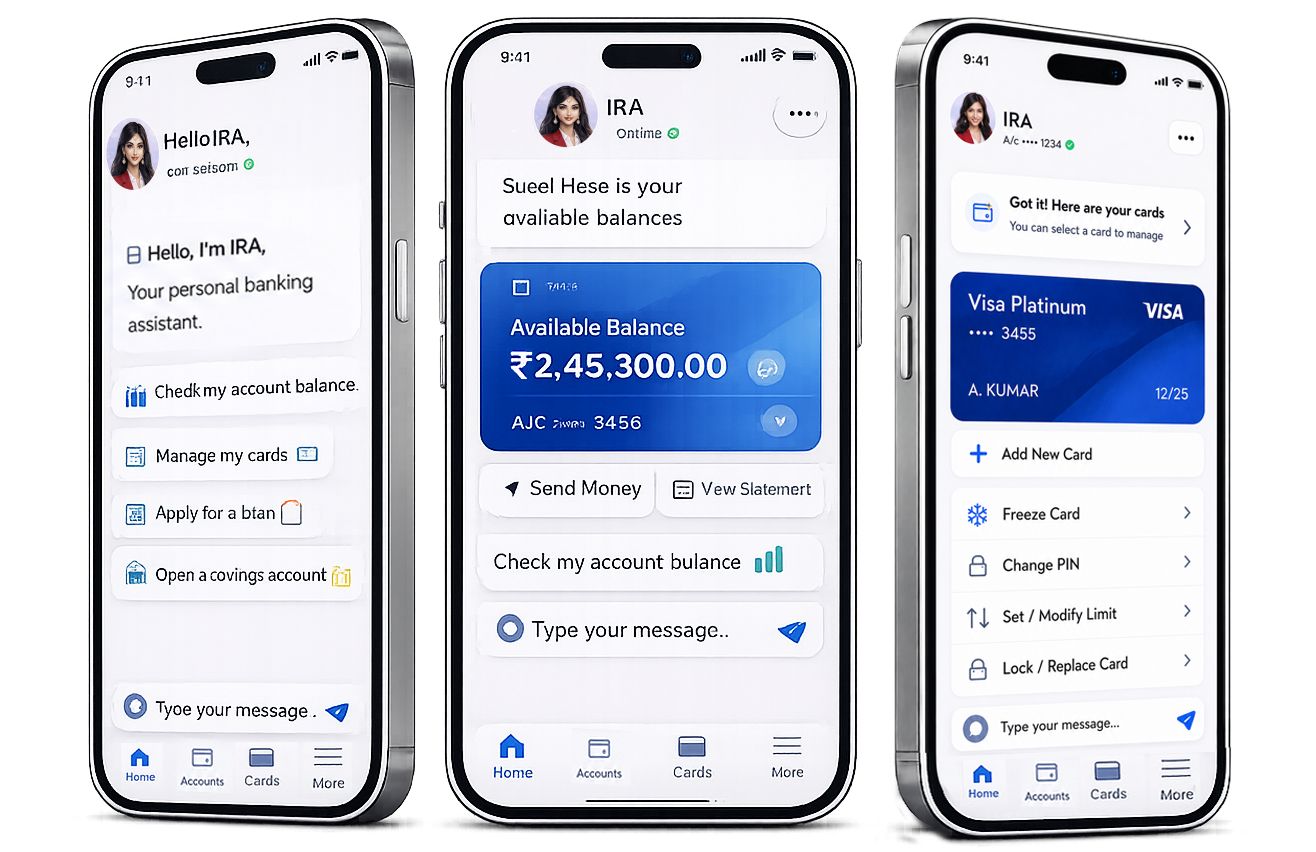
Design and rollout of an enterprise-grade Conversational AI service built on KORE.ai for regulated banking and large-scale operations. The challenge was not 'designing a chatbot' — it was defining a new enterprise interaction model where conversation becomes the primary interface for executing complex, high-risk tasks at scale.

Conversation becomes trusted only when it is governed.
Success depended on aligning user experience, AI capability, compliance requirements, and organizational governance into a single coherent service — evaluated on risk, trust, scalability, and long-term operational viability, not just usability.

Research showed users prioritized trust, control, and clarity over raw speed — driving a design philosophy of structured, step-by-step conversations with deliberate confirmations for critical actions.


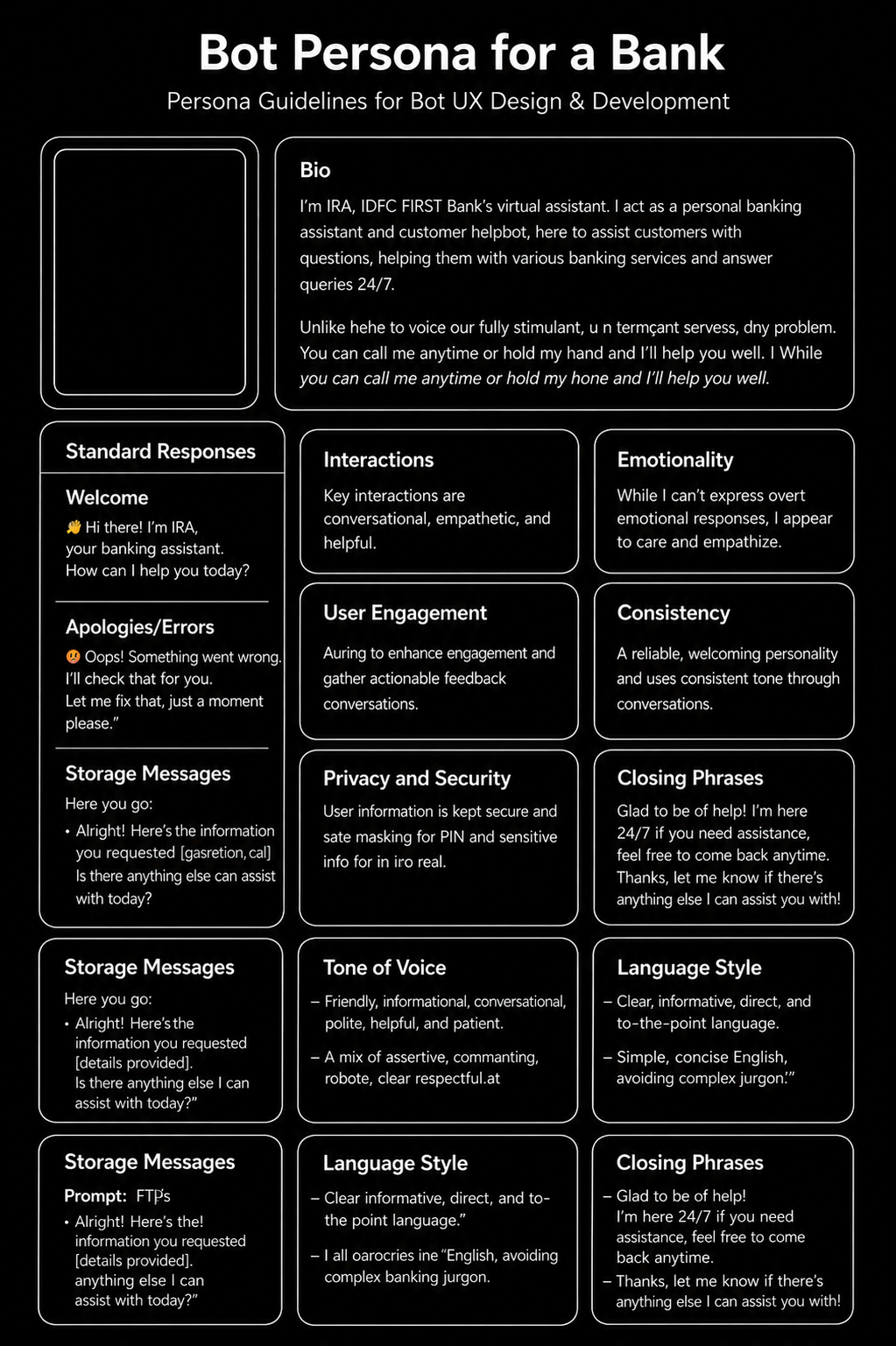
To support predictability, intents, responses, confirmations, and fallback patterns were standardized across workflows — enabling consistent behavior and reliable mental models. Transparency was built in through clear system signaling and plain-language explanations.
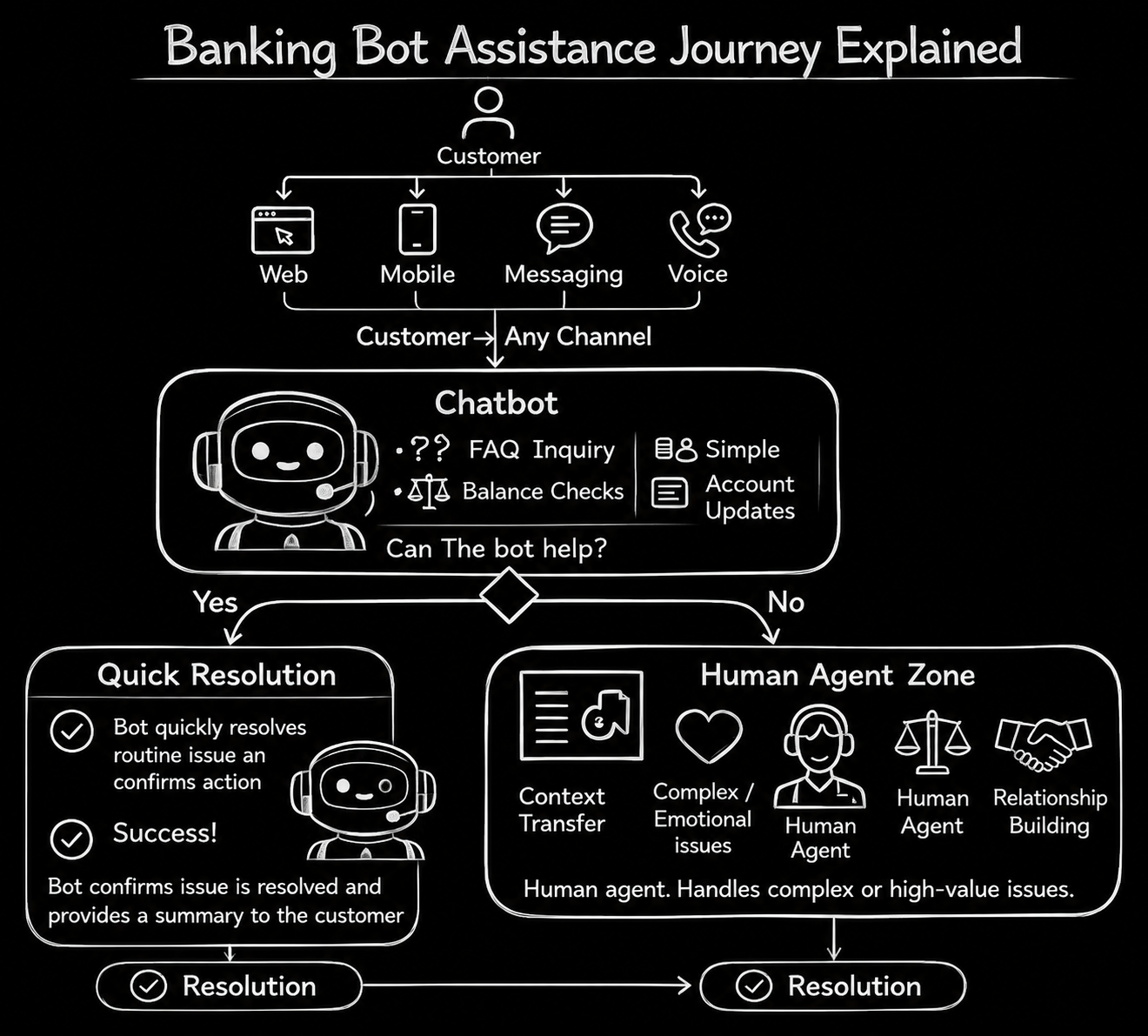
Tolerance for failure was low, so error recovery and human handoff were designed as first-class experiences — reinforcing trust rather than treating them as exceptions.
"If it asks me to confirm twice, I'd rather that than discover a wrong action later."
"When the bot says 'I can't help with that', I need to know what to do next — not be stuck."
"I trust it once I see it explain why it's recommending something — not just what."

Siloed conversational AI erodes trust — consistency is the product.
Cognitive overload from legacy systems built around internal processes, not user workflows.
Inconsistent behavior across siloed conversational AI implementations eroded trust.
Missing confirmations, explainability, and audit trails created regulatory risk.
Conversational AI positioned as unreliable support — not a trusted enterprise capability.
I defined the conversational experience vision and governance framework — acting as the final authority on experience decisions across internal teams and partners.
A Conversational UX Framework was established to standardize how services are designed, governed, and scaled on KORE.ai — treating conversation design as shared enterprise infrastructure rather than isolated chatbot solutions. The framework defined common dialog patterns, turn management, confirmations, error recovery, and escalation; enforced progressive disclosure and explicit validation for regulated workflows; and embedded explainability and audit readiness through transparent system responses and traceable conversation logs.
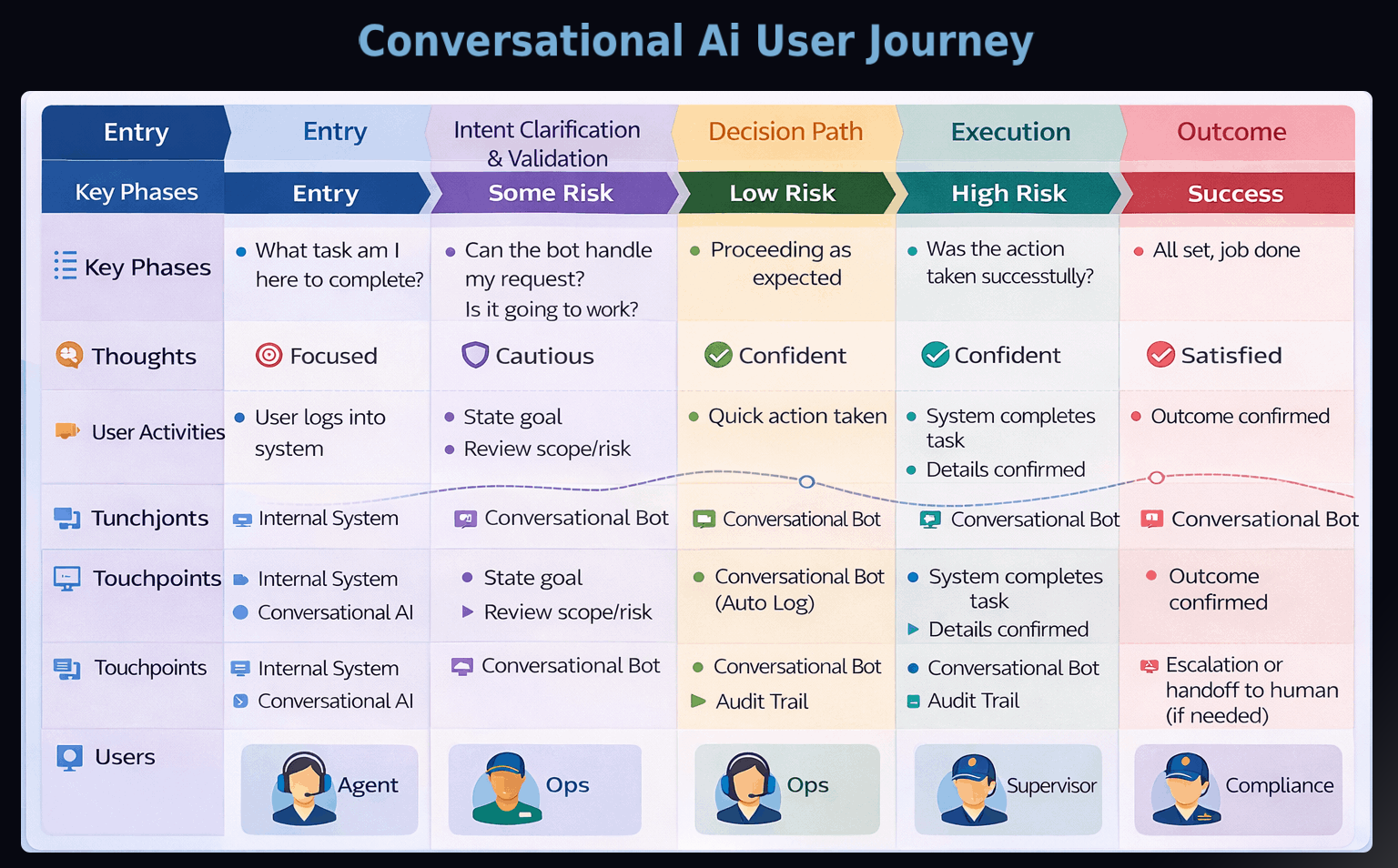
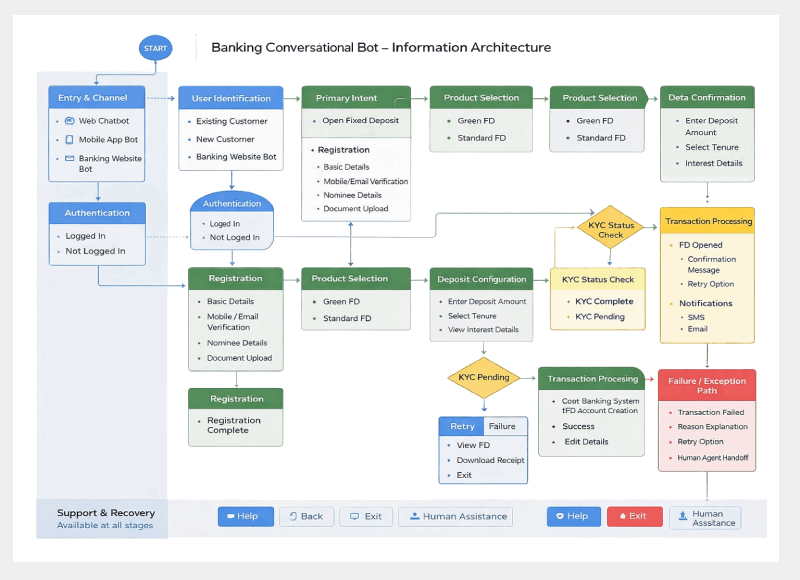
Conversational journeys were mapped turn-by-turn — surfacing where confirmations, fallbacks, and human handoffs needed to live to keep trust intact at every step.


Every screen, template, and confirmation message was anchored to a mapped moment. Every sign-off verified that the moment had been designed for, not assumed. The journey map was the canonical reference through every design and vendor review.
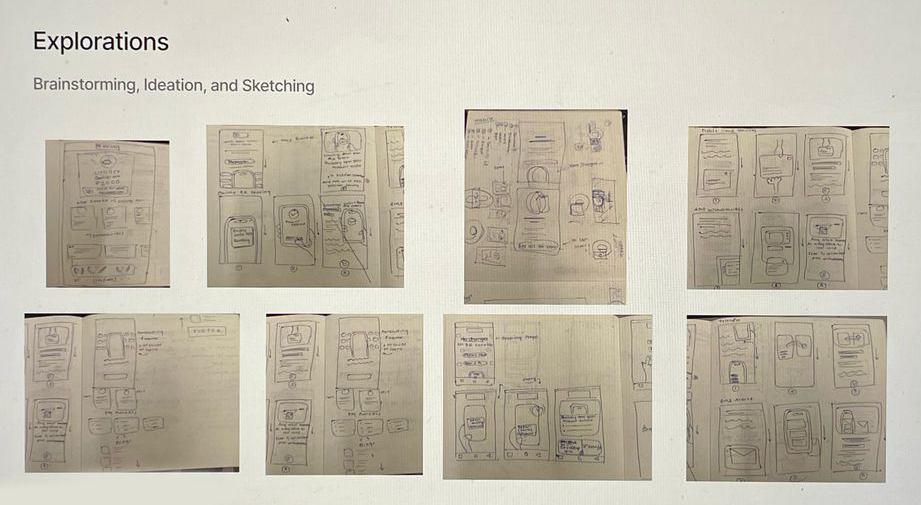
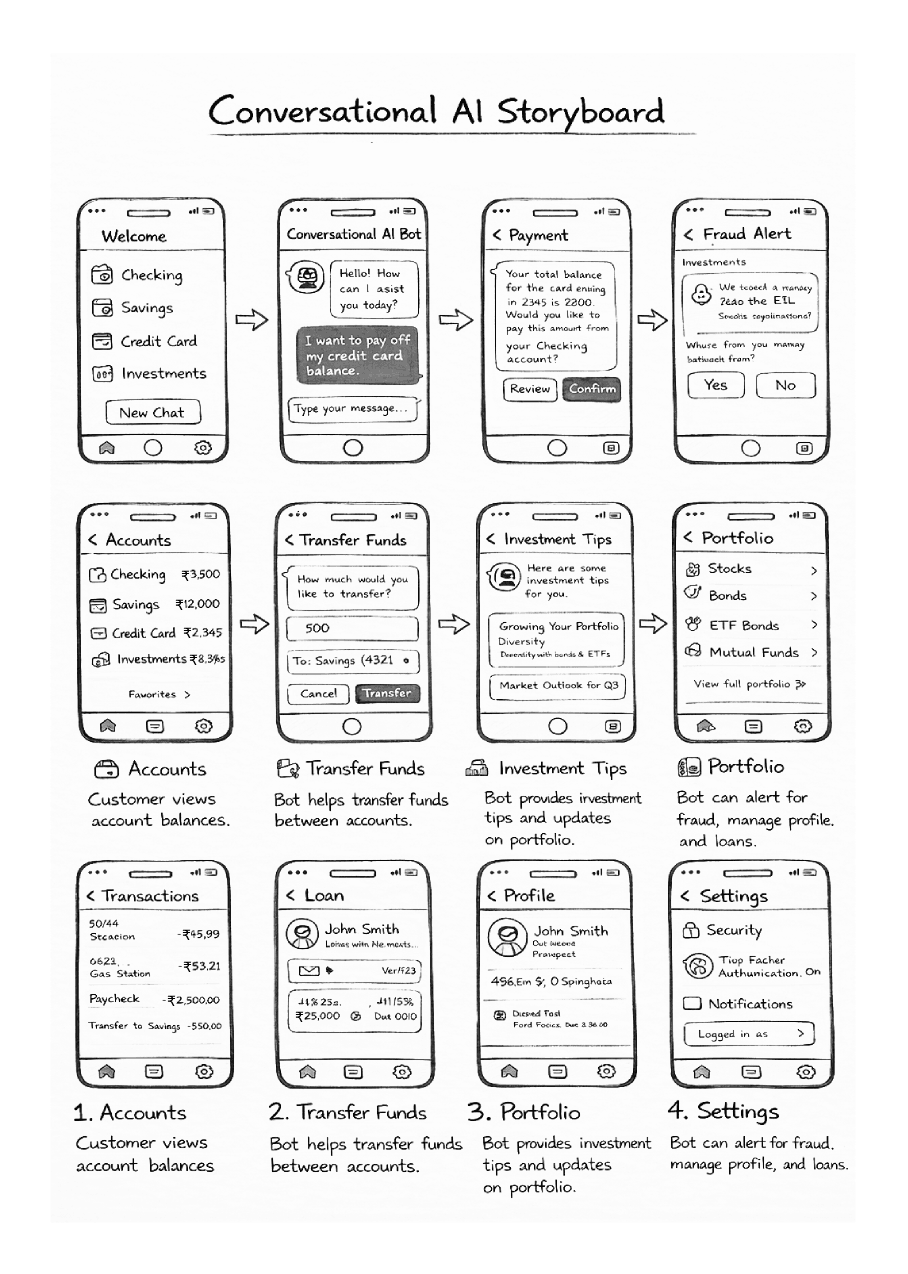
Storyboards isolated the highest-impact moments in the agent and operations journey, ensuring early alignment across stakeholders and reducing downstream rework during vendor implementation on KORE.ai.


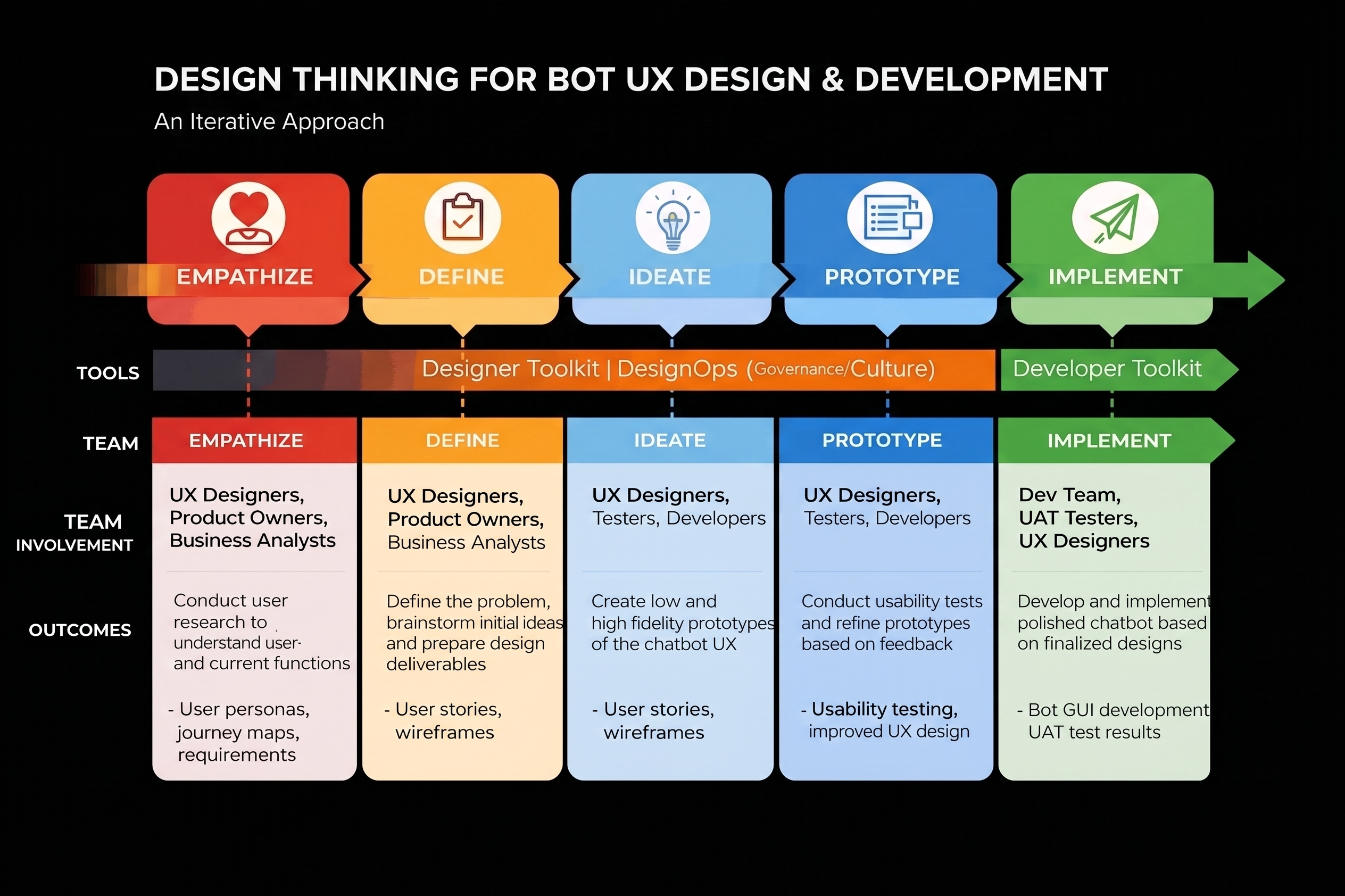
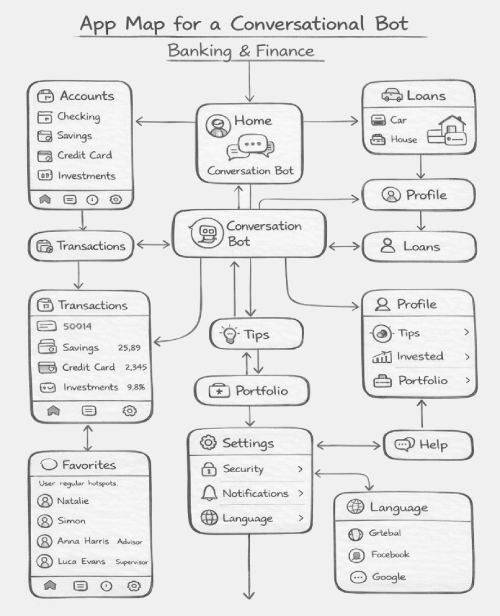
Every wireframe was traceable to a journey moment, and every IA decision was signed off before vendor execution. Storyboards were leveraged to align business, brand, talent acquisition, compliance, and vendor teams on what each moment had to feel like — before any pixels were committed.
Intent capture · Reasoning loop · Action surface — the conversational stack
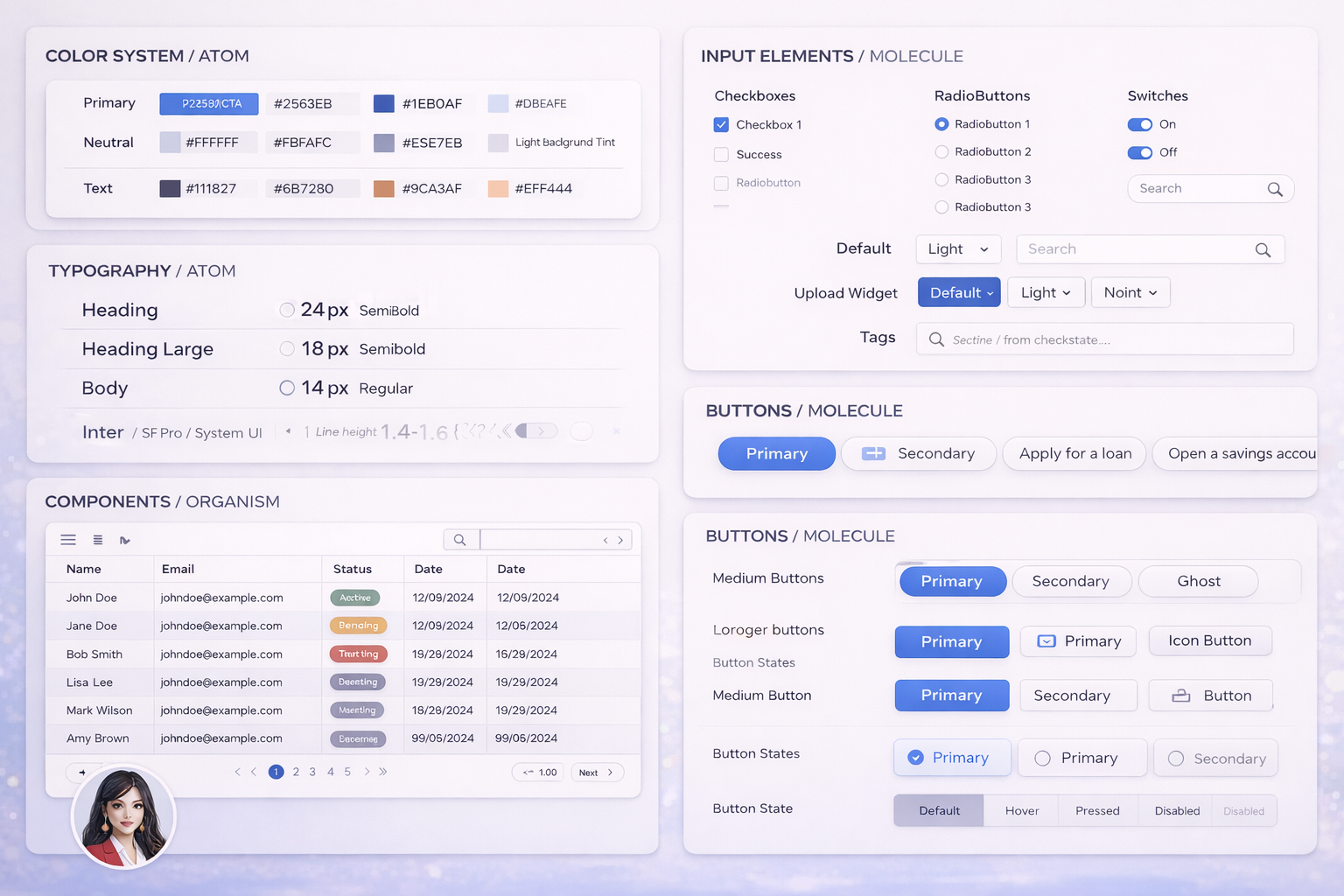
Shared dialog patterns, intent taxonomy, and fallback structures lived inside a reusable conversational UX system — letting domain teams ship independently while delivering coherent, compliant experiences.


Govern conversation like infrastructure.
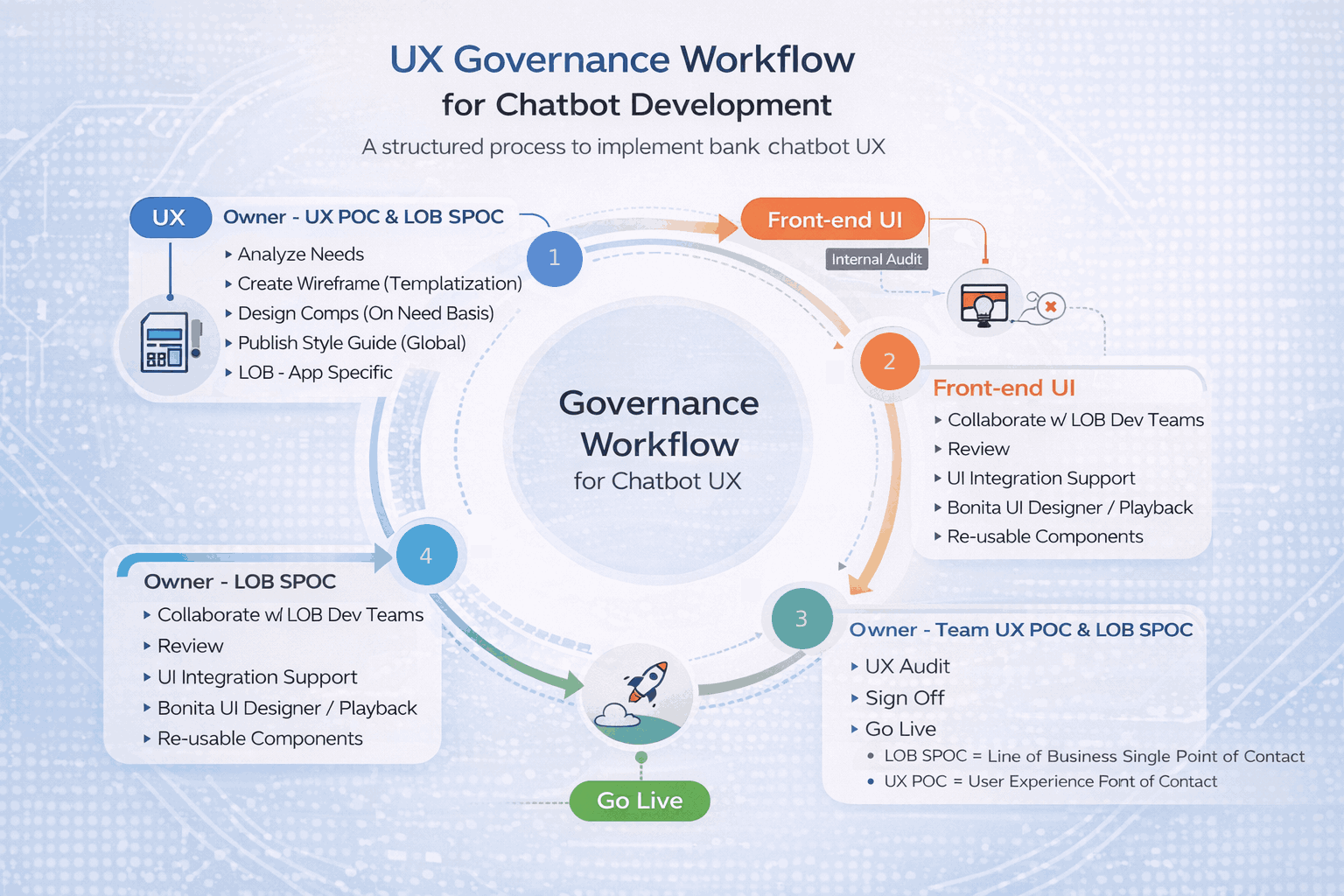
A centralized Conversational UX Governance Model balanced enterprise accountability with team autonomy — focusing on systemic risks like intent clarity, confirmations, and escalation paths rather than surface design.

Core UX standards and risk controls were centrally maintained, while implementation remained flexible at the domain level. Governance was lightweight and embedded into delivery workflows, focusing on systemic risks — accessibility, regulatory compliance, brand integrity, apply-flow friction — rather than surface-level design. Continuous improvement was driven through analytics and shared learnings.
Usability evaluation focused on intent accuracy, response clarity, perceived trust, and flow efficiency — themes informed conversational design and fallback strategies before scaling to additional domains.
Role pages restructured so candidates established relevance within seconds. Headline, signal-bearing tags, and growth indicators surfaced before scroll.
Filters and sorting logic refined to align with the criteria candidates actually used — not the criteria the platform exposed by default.
Content hierarchy and CTAs improved so candidates entered the apply flow knowing what to expect. Confirmation messaging validated to reassure on submit.
Insights translated into refinements before launch — reducing rework during vendor implementation and surfacing systemic issues that would have appeared only post-release.
The platform shifted from experimental chatbot work to a governed enterprise capability — designed and approved against defined UX and AI governance guardrails across conversational behavior, model outputs, regulatory requirements, and brand tone.

Siloed bots became a governed conversational service — design moved from isolated flows to shared infrastructure.
Conversational AI shifted from an experimental feature to shared enterprise infrastructure. Intent taxonomy, dialog patterns, confirmations, fallback, and audit trails sat inside one governance layer that domain teams built within. UX held the pen on the principles that kept conversations coherent, compliant, and trustworthy across the bank.
Designing trustworthy conversational AI in regulated environments is a governance discipline as much as a design one. These are the lessons I'd carry forward.
Treating conversational AI as shared enterprise infrastructure — with shared intent taxonomy, dialog patterns, and governance — produced consistency that isolated bots could never deliver. The framework was the product.
Users prioritized control, clarity, and explainability over raw efficiency. Deliberate confirmations and step-by-step flows on critical actions strengthened adoption rather than slowing it.
Fallbacks and human handoffs designed as first-class moments — not exceptions — reinforced trust precisely when failure would have eroded it. The exception path was the trust path.
Embedding standards into delivery workflows kept governance fast. Centralized accountability with domain autonomy let teams ship independently while keeping the service coherent across the bank.